The short answer
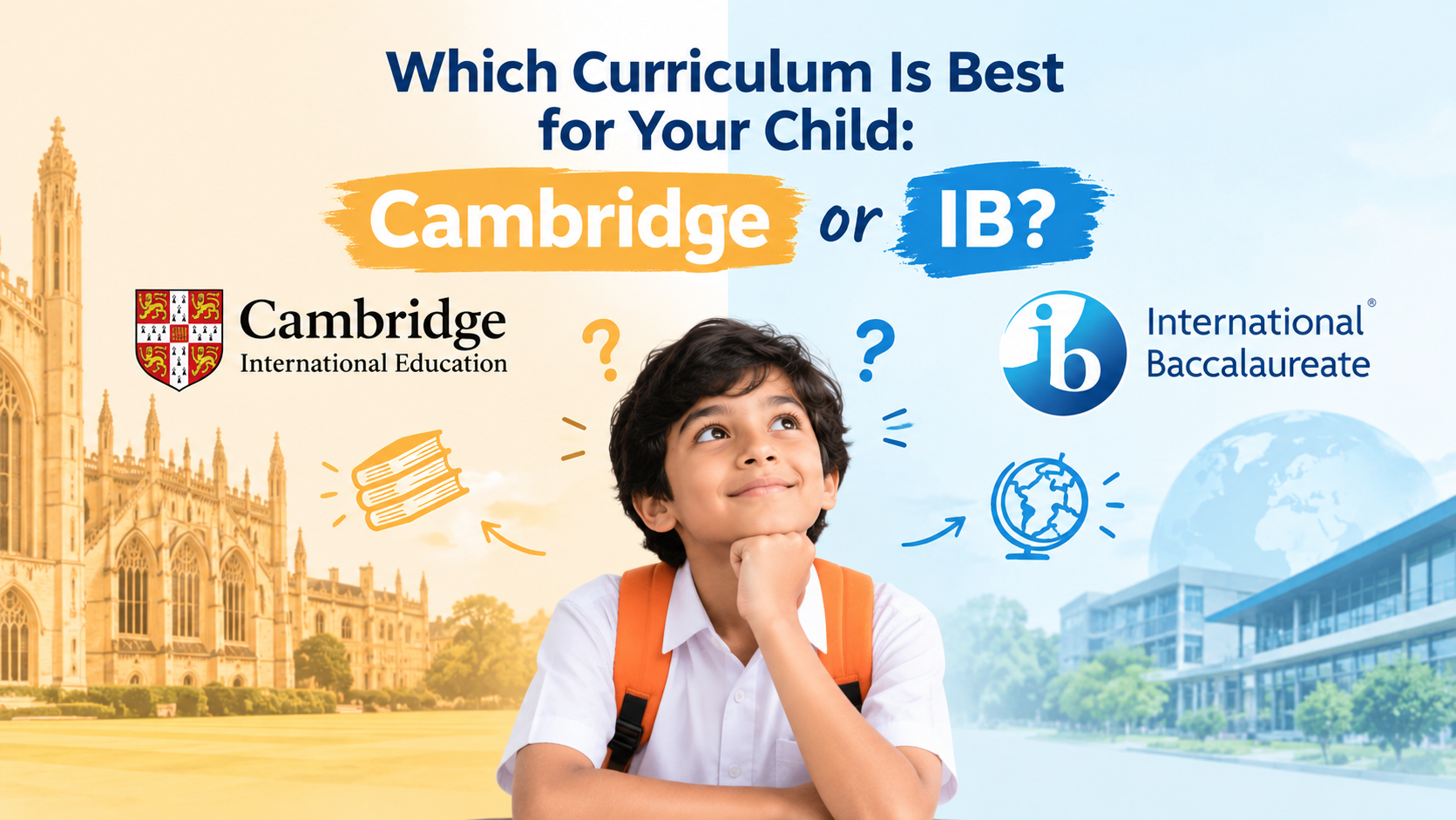
Cambridge International and the International Baccalaureate Diploma Programme (IB Diploma) are the two curricula Dhaka’s established English medium schools run past High School, and they are structurally different systems, not two labels for the same thing. Cambridge asks a student to go deep in three or four subjects at A Level, examined by Cambridge International, and it is the system Glenrich International School teaches from Playgroup through Grade 12 across its Uttara and Satarkul campuses. The IB Diploma instead asks a student to stay broad across six subject groups at once for two years, alongside a mandatory extended essay and a theory of knowledge course.
Neither system is easier. There are different options on what a university transcript should say about a seventeen-year-old, and once a child is enrolled at fourteen or fifteen, the choice is largely fixed for the years that follow. This guide sets out what each system requires, where they diverge in practice, and which Dhaka schools teach which one.
What Cambridge International teaches
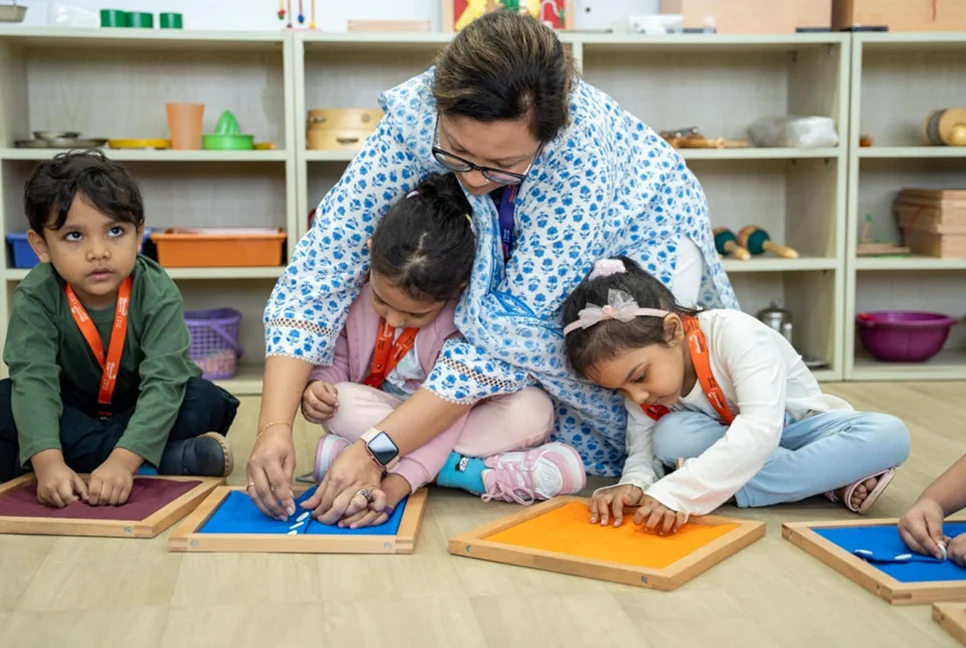
Cambridge International structures its curriculum in five named stages that run continuously from early years to pre-university: Cambridge Early Years, Cambridge Primary, Cambridge Lower Secondary, Cambridge Upper Secondary, and Cambridge Advanced. Cambridge IGCSE is the qualification most students sit at the end of Upper Secondary, with subjects chosen individually rather than in fixed groups. Cambridge Advanced then covers Cambridge International AS & A Level, where students narrow to three or four subjects and go deep in each over two further years, the stage most Dhaka parents mean when they say, “A Levels.”
Cambridge states that its qualifications are accepted by over 2000 institutions across 95 countries, including 825+ US universities (all Ivy League among them) and every UK University, from MIT to the University of Melbourne. A student moves through all five stages inside one continuous system, which is one reason schools that teach the Cambridge curriculum from Playgroup tend to describe it as a single pathway rather than a curriculum a student “switches into” later.
What the IB Diploma asks of a student
The IB Diploma Programme is a two-year pre-university course for students roughly 16 to 19 years old, run in more than 140 countries. A Diploma student takes one subject from each of six groups: language and literature, language acquisition, individuals and societies, experimental sciences, mathematics, and the arts (with an additional subject from groups one to four allowed in place of an arts course), choosing three or four at Higher Level,
Three further requirements sit outside those six subjects and are compulsory for every DP student: Theory of Knowledge, a roughly 100-hour course built around a 1,600-word essay and a presentation; the Extended Essay, an independently researched 4,000-word paper; and Creativity, Activity and Service (CAS), around three to four hours a week of activity, creative work and community service across the two years. As of May 2025, the IB reported an 81.9% pass rate and 83,703 diplomas awarded worldwide, and describes the Diploma as accepted in 110 countries and territories at more than 2,000 universities. The UK’s qualification recognition body is reported to describe the IB Diploma as broader and more academically demanding than three or four A Levels taken alone.
Where the two systems genuinely differ
The practical difference is breadth versus depth, and it shows up well before university applications start. Cambridge lets a student who already knows they want engineering drop history, geography and a language after IGCSE and spend two years almost entirely on maths, physics and further maths. The IB Diploma will not let that same student drop the humanities, the arts, or a language entirely. The six-group structure is compulsory, so a strong scientist still writes an extended essay, still sits Theory of Knowledge, and still logs service hours alongside the sciences.
Neither approach is a shortcut: Cambridge’s depth means three or four subjects assessed to a high standard, largely through terminal written examinations; the IB’s breadth means six subjects across all six groups plus three core components assessed continuously through coursework, orals, and internal assessment as well as final exams. Families sometimes describe Cambridge as “safer” because the workload is more predictable and the subject count lower, and the IB as “broader” because a student cannot specialise away from writing, research or a second language. Both descriptions are roughly true, and neither is a criticism; they are simply different answers to what a seventeen-year-old should be good at.
Cambridge and the IB Diploma, In a nutshell
The structural differences above are easiest to compare directly rather than paragraph by paragraph, so the table below sets the two systems side by side on the points that matter most to a Dhaka family: age at qualification, how many subjects a student actually sits, what is compulsory beyond those subjects, how each system is assessed, where each is recognised, and which Dhaka schools teach which one.
| Cambridge (IGCSE → A Level) | IB Diploma Programme | |
| Typical age at final qualification | 16 (IGCSE), 18 (A Level) | 18–19 |
| Subjects at the final stage | 3–4, chosen freely | 6 groups, compulsory, 3–4 at Higher Level |
| Mandatory components beyond subjects | None | Theory of Knowledge, Extended Essay, CAS |
| Assessment style | Primarily written exams at the end of each subject | Exams plus continuous coursework, orals, internal assessment |
| Global reach | Recognition in 95+ countries | Offered in 140+ countries, accepted at 2,000+ universities in 110 countries |
| Who teaches it in Dhaka | Glenrich International School, among others | International School Dhaka, American International School Dhaka |
If your child is better served by the IB
Some families are genuinely better served by the IB Diploma, and it is worth naming who. A student who has not settled on a specialism by Grade 10, or who wants a formal, assessed record of community service and creative work alongside academics, gets structural support from the IB that Cambridge does not build in. Families targeting universities in continental Europe, where the IB’s broad recognition is especially well established, sometimes find it the more legible qualification to admissions offices there.
In Dhaka, International School Dhaka and American International School Dhaka both run the IB Diploma Programme and are established IB-authorised options for families who have decided breadth is the right bet for their child. Glenrich does not teach the IB, and a family who has already concluded that six group breadth and a mandatory extended essay are what their child needs should look at those two schools rather than expect a Cambridge school to deliver an IB-shaped result.
How Glenrich delivers the Cambridge pathway
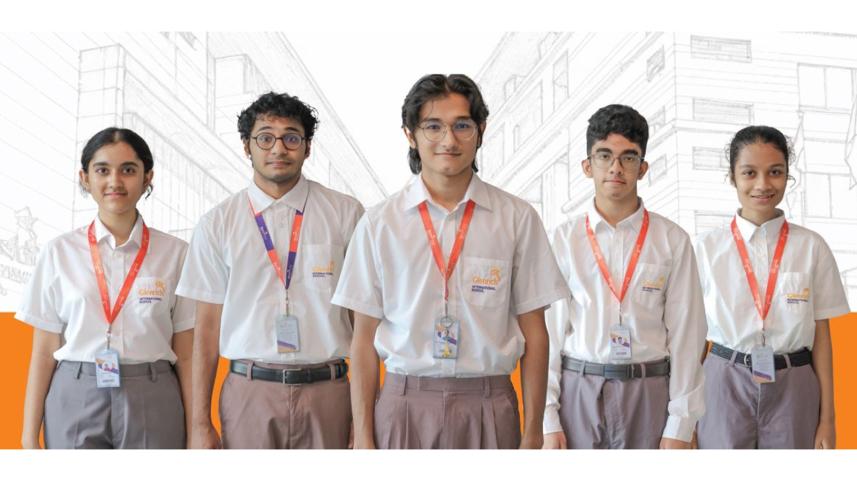
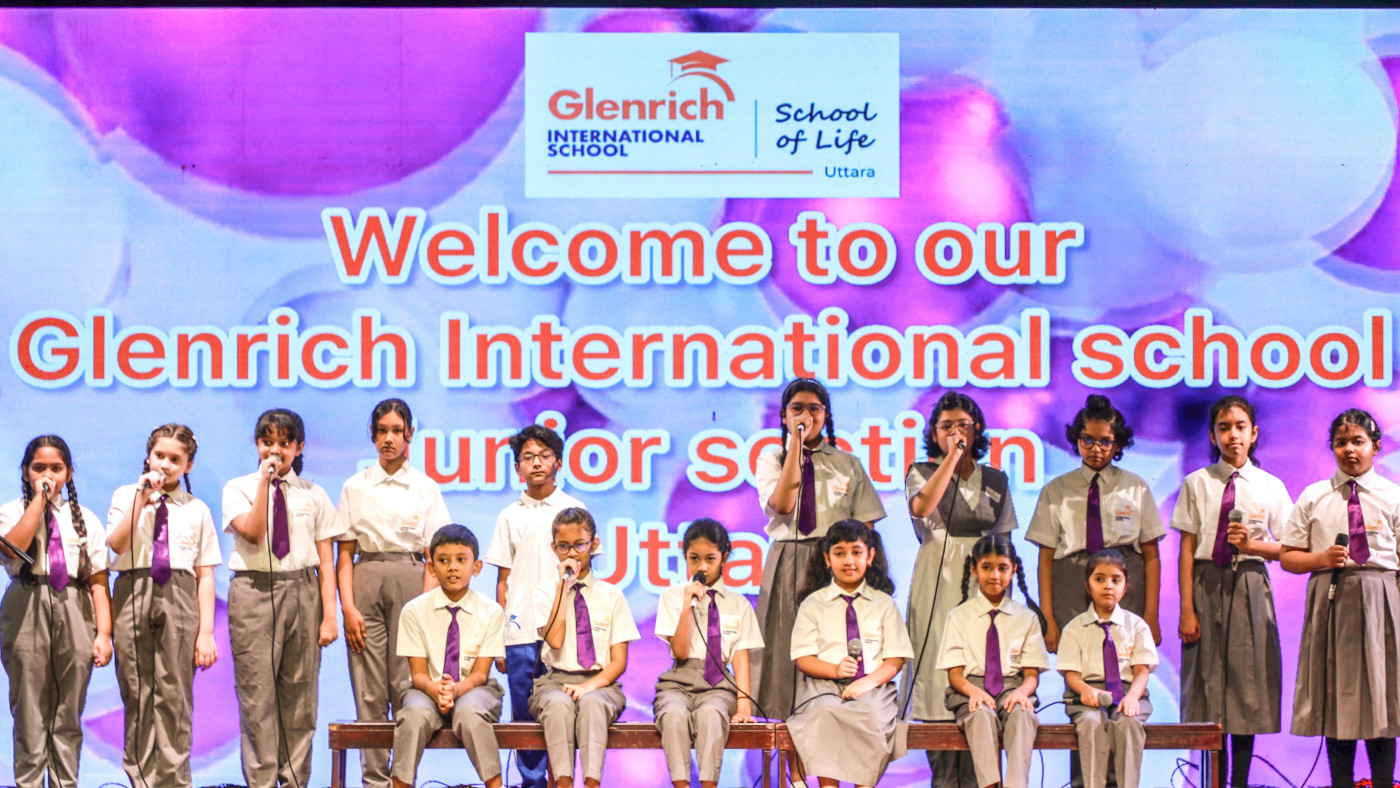
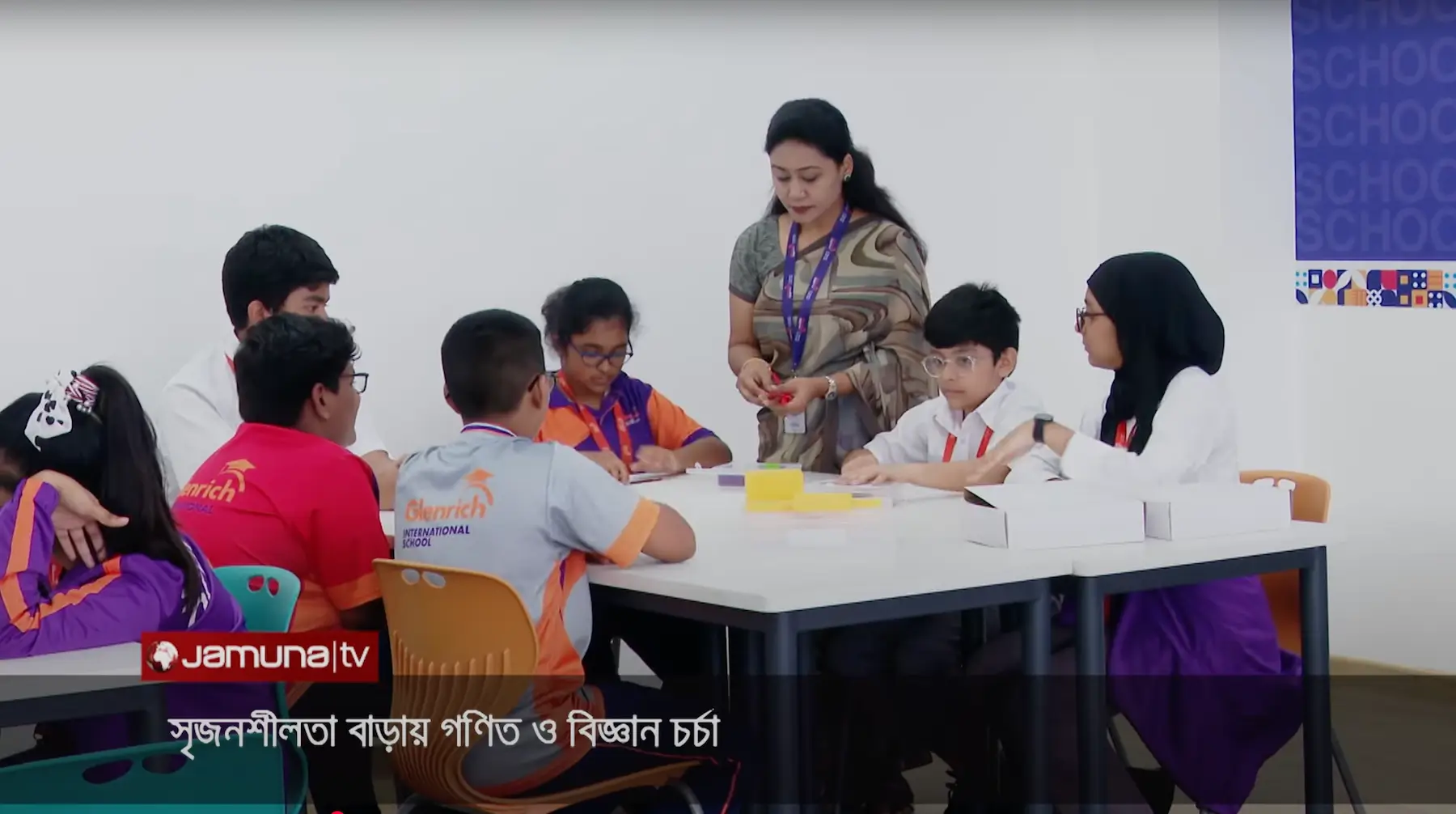
Glenrich International School is a private, co-educational Cambridge International day school teaching Playgroup through A Level across its Uttara and Satarkul campuses in Dhaka, with a . Where the school tries to close the gap between Cambridge’s exam focused depth and the broader development families also want, it does so through named, specific programs rather than general claims: Visible Learning, the evidence based teaching approach associated with education researcher John Hattie; Embedded Formative Assessment and Higher Order Thinking Questions built into regular classwork; and Performance Enhancement Classes for students who need targeted support in a subject.
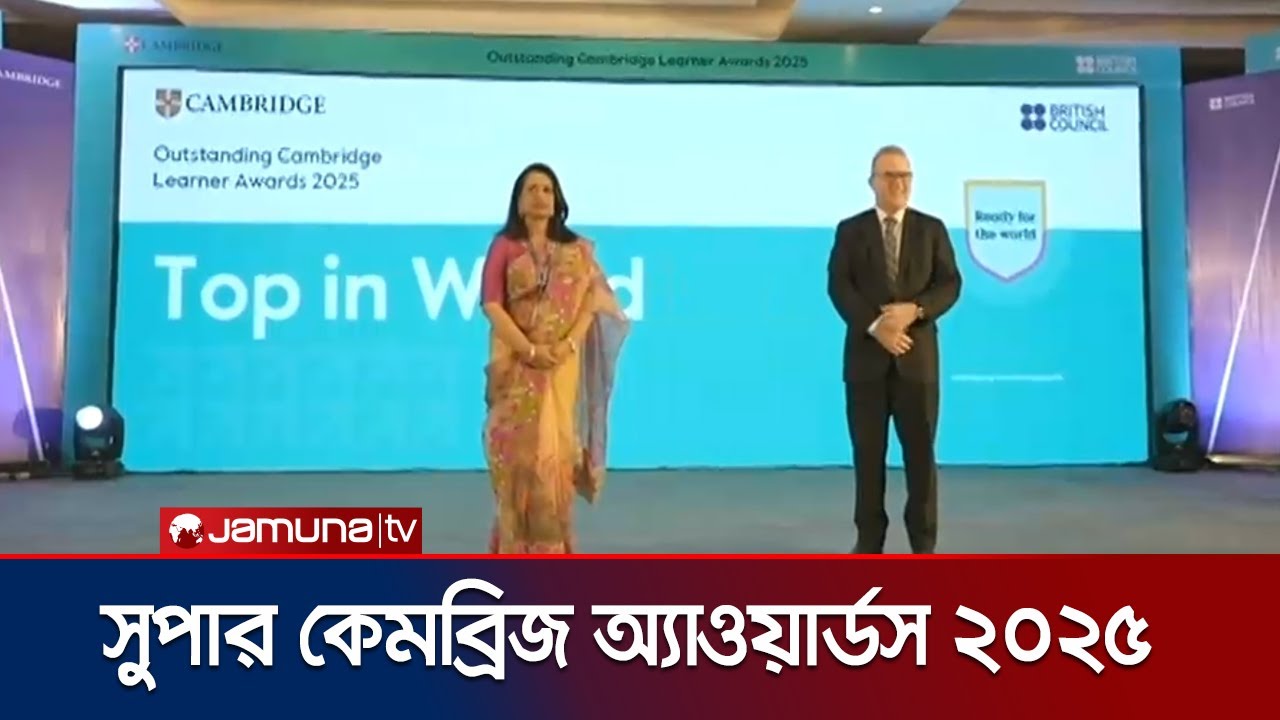
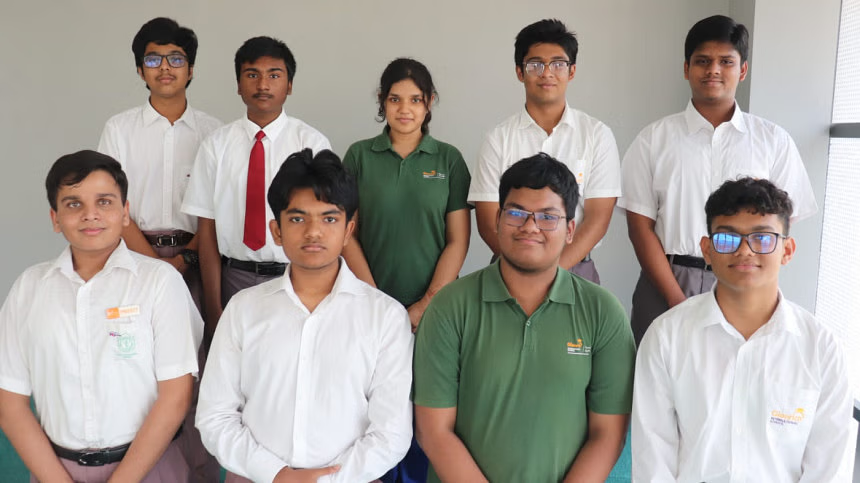
A “Target Top Ten” counselling track runs alongside the A Level years, combining SAT, IELTS and TOEFL preparation with personalised university and career counselling for students aiming at top-ranked universities abroad. Glenrich also runs its own Glenrich World Topper Recognition Programme, launched in the 2021 – 22 academic session, to recognise students who achieve the highest standard mark globally in a Cambridge subject, and layers Glen Merit scholarships (up to 100% for grades 3 – 8 and grade 10) and Glenstar scholarships (up to 75% for each grade’s top three students) on top of the core Cambridge pathway. None of this changes what Cambridge itself requires; it is what a family gets in addition to it by choosing Glenrich specifically, rather than another Cambridge school in Dhaka.
Questions worth asking before you choose
A few questions cut through the marketing on both sides faster than a prospectus does:
- Has your child already shown a strong subject preference, or are they still broad across humanities, sciences and the arts at Grade 9 or 10?
- Does your family value a lower, more predictable subject count, or a formally assessed record of service and independent research alongside academics?
- Where is your child likely to apply – and does that country’s admissions system have a clear, established track record with the qualification you’re considering?
- Is switching curricula mid-way (for example, joining an IB school at Grade 11 after a Cambridge Lower Secondary) something the receiving school supports, or does it expect continuity from an earlier stage?
The bottom line
For a family that already knows their child wants to specialise, Cambridge’s depth is the more direct route, and Glenrich teaches the full pathway from Playgroup through A Level on one campus system without a curriculum switch partway. For a family that wants mandated breadth and a formally assessed service record, International School Dhaka and American International School Dhaka are the established IB options in the city. The honest test is not which curriculum sounds more prestigious; it’s which structure matches how your child already works. Parents weighing the decision are welcome to book a campus visit at Glenrich’s Uttara or Satarkul campus to see the Cambridge pathway in practice before deciding.