
টপ ইন দ্য ওয়ার্ল্ড অ্যাওয়ার্ডের ৫টি জিতেছে গ্লেনরিচ ইন্টারন্যাশনাল স্কুল
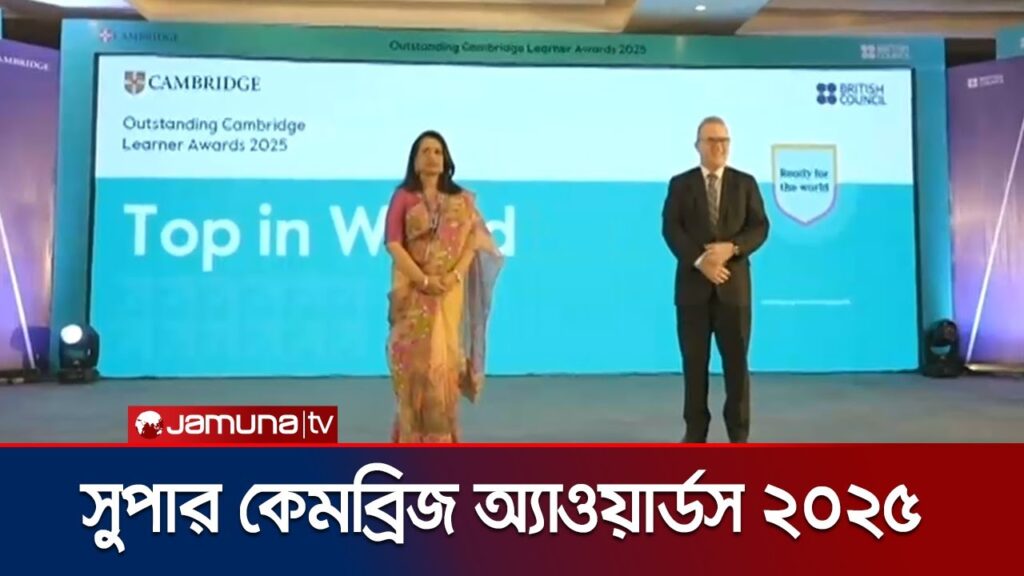
আইজিসিএসই টপ ইন দ্য ওয়ার্ল্ড এই ক্যাটাগরিতে গ্লেনরিচ ইন্টারন্যাশনাল স্কুল উত্তরা সাফল্য অর্জন করেছে। বাংলাদেশের ১২টি টপ ইন দ্য ওয়ার্ল্ড অ্যাওয়ার্ডের মধ্যে পাঁচটি গ্লেনরিচ ইন্টারন্যাশনাল স্কুলের শিক্ষার্থীরা জিতেছে। টপ ইন দ্য ওয়ার্ল্ড অ্যাওয়ার্ডের ৫টি জিতেছে গ্লেনরিচ ইন্টারন্যাশনাল স্কুল | Glenrich | Jamuna TV
Forging future leaders: The power of self-regulation and self-discipline

We live in a VUCA – Volatile, Uncertain, Complex, and Ambiguous – world right now, that is getting increasingly convoluted. With rapid technological shifts, looming environmental crises, and complex geopolitical tensions, it’s clear that we need something more from our leaders. We need empathetic, resilient, and truly capable individuals. Leadership today isn’t just about knowledge or technical skills; it’s about having profound control over one’s own emotions, thoughts, and actions, what we call self-regulation. When this crucial ability is paired with resolute ways of living and working—or self-discipline—you get the very foundation of effective leadership. Google News LinkFor all latest news, follow The Daily Star’s Google News channel.If we want leaders like this, we must start by rethinking how we raise our children, right from their classrooms to our own homes. When we talk about discipline in schools, our minds often jump to strict rules and punishments for breaking them. But discipline, and especially self-discipline, is much more than that. At its heart, it’s about empowerment. Self-discipline gives individuals the inner compass to lead a meaningful, structured life based on their own values, not just external demands. It’s how constructive habits are forged. Think about children who consistently approach their studies, sports, or art with a systematic method. These approaches eventually become second nature. Tasks that initially felt like a real effort soon become automatic, setting them up for long-term well-being and productivity. Every single time a child practices a self-disciplined action, their brain actually strengthens the neural pathways that make that behaviour easier. For instance, a student might initially struggle to focus while studying. But with consistent practice, that concentration can come naturally. Students won’t have to consciously force themselves to concentrate anymore, whether they’re at their desk or simply trying to focus. Psychologist Angela Duckworth explores this brilliantly in her book Grit: The Power of Passion and Perseverance. Her research powerfully demonstrates that disciplined persistence is a far greater predictor of success than innate talent or intelligence. Hence, through consistent practice, a disciplined approach to life, and strong self-regulation, a student can not only excel academically but also achieve lifelong success in areas like social relationships, career development, and leadership. Ultimately, mastering self-regulation is absolutely essential for effective leadership. A self-disciplined and self-regulated person knows how to keep pushing forward, even when faced with significant obstacles and distractions. Children who master self-regulation learn to deal with setbacks productively, seeing them as valuable chances for learning and growth. In a world where we’re constantly bombarded by media and our attention spans are shrinking – a world where it’s increasingly tough to stand out – this attribute is becoming invaluable for future leaders. Self-regulation also helps children understand where their emotions come from. This allows them to respond to social situations thoughtfully, rather than reacting impulsively. These children grow into emotionally intelligent adults. This emotional intelligence, in turn, helps them build stronger working relationships with diverse teams, which is a vital skill in modern leadership. The ability to manage stress, keep things in perspective, and take care of one’s emotional needs directly impacts mental well-being. Leaders who prioritise their mental health make more balanced decisions and inspire others to adopt healthy behaviours, creating a positive ripple effect throughout their organisation. It might seem counterintuitive, but genuine self-discipline and self-regulation actually thrive in environments that champion true autonomy. If we empower children to feel ownership over their own lives and decisions, they develop an inner motivation that’s far more powerful than compliance driven by external rules, regulations, rewards, or punishments. By connecting self-discipline with self-empowerment, this autonomy-based approach sets a higher expectation for them, significantly boosting their self-esteem and self-efficacy. It’s well-established that individuals who feel they have control over their lives show greater commitment, creativity, and persistence. To nurture self-regulation in future leaders, schools and families must work hand-in-hand. Schools need to create environments with clear, consistent expectations – environments that prioritise values and ethics over mere compliance. Parents and teachers can establish predictable routines, giving children a crucial sense of security. And remember, everyday activities take around 66 days on average to become a habit. During this critical phase, they can offer unwavering support through encouragement, gentle reminders, and recognition. Furthermore, to cultivate resilience in children, we need to encourage them to respond to their own mistakes with compassion, not harsh self-criticism. At the same time, we must emphasise the importance of effort and the opportunity to learn from every experience. Crucially, children learn far more from observing the social environment, particularly adult behaviour, than from direct instructions. So, parents and teachers must consistently practice self-regulated and self-disciplined behaviours, serving as genuine role models. If adults are inconsistent or avoid difficult tasks, children will pick up on that. But if adults handle stress well, maintain focus on their priorities, and respond appropriately to setbacks, they become powerful, absorbed examples. By creating an environment where self-regulation and self-discipline are truly supported, we can set our children on a path to happy and successful lives. Looking ahead, as teachers and parents, our most vital responsibility is to prepare the next generation not just to survive in this world, but to truly thrive as future leaders. By prioritising self-regulation and self-discipline, we must nurture children in an environment that helps them develop the ability to navigate their own lives with purpose and intention. That way, we prepare them not only for success in school but for lives of deep meaning, fulfilment, and contribution. Dr Amlan K Saha is the Principal of Glenrich International School, Uttara. Published In: The Daily Star
Building the School of Life: Inside Dr Amlan’s leadership philosophy
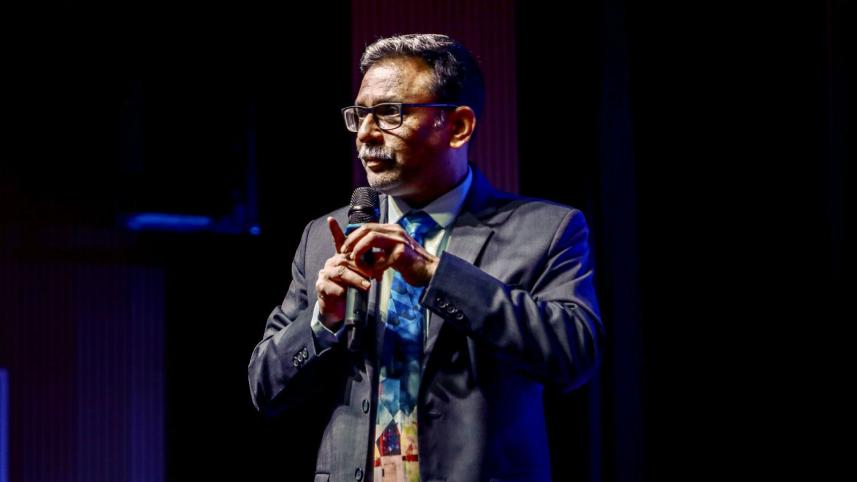
With over 27 years of experience in education, Dr Amlan K Saha joined Glenrich International School, Uttara as Principal. Known for his strong leadership and commitment to academic excellence, he has transformed leading boarding and day schools, such as The Assam Valley School, The Sanskaar Valley School, and The Sagar School, into globally recognised institutions. The Daily Star sat down with Dr Amlan to explore his leadership philosophy, his vision for Glenrich, and his thoughts on the future of education. The Daily Star (DS): You have spent over 27 years in the education sector, including leading several top-ranked institutions. How has this extensive journey shaped your philosophy of leadership and learning? Dr Amlan (A): It’s been an extensive, almost 30-year-long journey. What feels rewarding to me is the fact that I started educational leadership at a very early age: in the third year of my teaching career, I took over as the Vice-Principal of a boarding school. That helped me acquire the knowledge and carry it forward while also experimenting with things occasionally. I like to describe myself as a transformational leader. My vision as a leader is to empower, and my mission is to produce more leaders, whether it be students or staff. In fact, many of the teachers whom I had recruited and trained are currently working as Vice-Principals or Principals of other institutions. I follow a motto in this whole journey of the leadership transformation: truth is strength. And, in my philosophy, when it comes to transformational leadership, I try to incorporate two factors: ensuring a happy environment and, as an administrator, ensuring effectiveness. Hence, as a leader, I try to make the environment around me happy and effective altogether. And, for the action plan, my priority is to always be humble. So humility is the first virtue I would like to think about before taking any action. At the same time, I believe that there is no room for compromise when it comes to productivity and integrity. In a nutshell, this has been the leadership style which I have been following wherever I have worked as an administrative leader. DS: You have already transformed prestigious institutions like The Assam Valley School and The Sanskaar Valley School. What key elements, in your view, define a truly world-class institution? A: A good school will always give you good results. My target has always been to take it from good to great. always set a very high benchmark as a leader and as a visionary, and then, I challenge my community—be it the students or staff—to achieve that. For example, when I took over The Sanskaar Valley School, it was a young, one-and-a-half-year-old school, and was yet to give its first board examination. Even then, I set a target that the first board result average of the school cannot be less than 80 percent, and we ended up achieving 81 percent. I also made a comment at a staff meeting that in ten years’ time, we can take the board result average to 90 percent, and kept on challenging and motivating the students. And it did happen. When I left the school after 11 years, we reached the target of 90 percent. When you challenge students, you also have to create opportunities for them. It’s the primary responsibility of the school to create such opportunities. Children need to find fulfilment in what they do, and, eventually, turn their passion into their profession. DS: Glenrich International School promotes a “School of Life” philosophy that goes beyond conventional academics. How is this philosophy being translated into classroom practices and co-curricular life under your values? A: If you look at the Glenrich logo, it has two parts: on the left of the logo, we have the school’s name. As a school, the whole philosophy and ideology here have to be educational philosophy-centred. I strongly believe that a school which is moving from good to great should run on set educational principles, and the work of a principal is to do value addition. The system should run with empowerment in such a way. If you look at the second part of the logo, it’s written “The School of Life”. Research conducted by Harvard University, the Carnegie Foundation, and Stanford Research Center suggests that 85 percent of job success comes from having well‐developed soft and people skills. On the other hand, only 15 percent of job success comes from technical skills and knowledge, which are hard skills. But in the normal school education, for 18 years, we concentrate only on the hard skills, and we then expect children to do their best in terms of soft skills, which we don’t teach, for the rest of their lives. So, by “The School of Life”, we are actually showing that we focus on soft skills for children, which are also life skills that they need to learn to be successful in today’s world. DS: You have received several accolades, including the Global Edu Icon Award and the Kalam Visionary Principal Award. Which achievement do you consider most defining in your career, and what lessons did it teach you? A: I thank the educational sector for trusting in my ability and bestowing these awards on me. They are very close to my heart, and I have huge respect for the organisations that have given the awards. The first award I received was almost 25 years ago, as an educational administrator, which was very memorable to me, and I went to Delhi to receive that award. But what is more important for me than the awards are the rewards I have gotten from my students, and they carry more value to me in my teaching and educational administrator life. I will give you two examples. When I came to Bangladesh, I found around 25 of my ex-students in Dhaka whom I had taught over two decades ago. And when I invited them for an in-person discussion, they came immediately. On another occasion, I received a phone call
কমনওয়েলথ রচনা প্রতিযোগিতায় স্বর্ণ জয়

কুইন’স কমনওয়েলথ রচনা প্রতিযোগিতা ২০২৫-এ বাংলাদেশ স্বর্ণ, রৌপ্য ও ব্রোঞ্জসহ সাতটি পুরস্কার জিতেছে। রাজধানীর উত্তরার গ্লেনরিচ ইন্টারন্যাশনাল স্কুলের শিক্ষার্থীরা বাংলাদেশের জন্য এ বিরল গৌরব বয়ে এনেছে। প্রতিযোগিতায় ওই স্কুলের নবম শ্রেণির ছাত্রী আনা তাসনুভা, দশম শ্রেণির ছাত্র আরিশা আহমেদ রায়না এবং একাদশ শ্রেণির ছাত্র মো. ফারজান আলি লেখার ক্ষেত্রে স্বর্ণপদক জয় করেন। রৌপ্য পদক অর্জন করেন ষষ্ঠ শ্রেণির উমাইয়া শামস ও নবম শ্রেণির কাজী আফসান রওনাক আনান। ব্রোঞ্জ পদক জয় করেন সপ্তম শ্রেণির আনজার সাইফান এবং মো. ফাইজান আলি। এ বছর প্রতিযোগিতায় কমনওয়েলথের বিশ্বের ৫৪টি দেশের ৫৩ হাজার ৪৩৪ জন শিক্ষার্থী অংশগ্রহণ করেছিলেন। গতকাল এক সংবাদ বিজ্ঞপ্তিতে উত্তরা গ্লেনরিচ ইন্টারন্যাশনাল স্কুল কর্তৃপক্ষ জানায়, বিশ্বের সবচেয়ে পুরোনো ও মর্যাদাপূর্ণ আন্তর্জাতিক প্রতিযোগিতায় শিক্ষার্থীদের অসাধারণ সাফল্য উদ্যাপন করেছে স্কুলটি। শিক্ষার্থীদের এই সাফল্য তাদের কঠোর পরিশ্রম এবং স্কুলের অঙ্গীকারের প্রমাণ। শিক্ষার্থীদের স্বাধীনভাবে চিন্তা করতে, ভাবতে ও নেতৃত্বদানে সক্ষম করে তুলতে কাজ করছে স্কুল কর্তৃপক্ষ। Published in: Bangladesh Protidin
Glenrich introduces ‘Playground Activity’ curriculum among Cambridge Schools

Glenrich International School, Uttara, in collaboration with Hyper Playgrounds, has launched Bangladesh’s first Playground Activity Curriculum among Cambridge Schools – an innovative, theme-based learning space where pre-primary students learn through engaging, play-based activities directly linked to their academic lessons. The initiative aligns with Glenrich’s “School of Life” philosophy, which emphasises that children learn best through play, movement, and hands-on exploration rather than traditional classroom methods alone. Inspired by Ireland’s early childhood education framework, the programme integrates Fundamental Movement Skills (FMS) and Lifelong Involvement in Sports and Physical Activity (LISPA) – two globally recognised systems designed to encourage physical activity and holistic development from an early age. According to the school, the activities go beyond exercise – helping children build coordination, resilience, and teamwork skills to prepare them for life beyond the classroom. Themes such as oceans, jungles, castles, and outer space will rotate each year to keep students engaged and curious, while progress will be measured through structured assessment rubrics. The launch event, held at Glenrich Uttara Junior School, brought together the school’s leadership, parents, and students for a hands-on introduction to the new facility. Speaking at the event, Sumona Karim, Vice Principal of Glenrich International School, Uttara, said, “At Glenrich, we believe that movement and play are just as important as classroom learning for our children’s overall growth. With this Playground Activity Curriculum, our youngest learners will get the chance to develop physically, emotionally, and socially – while having fun.” Published in: The Daily Star
Five Bangladeshi students named world’s top scorers in IGCSE maths
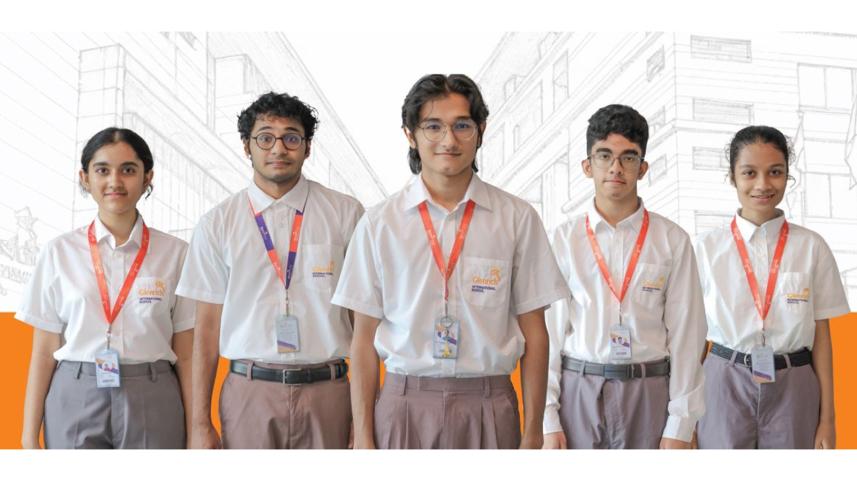
Five Bangladeshi students have been named world’s top scorers in this year’s IGCSE Mathematics exam after securing full marks. All five – Md Faiyaz Siddiquee, Awhona Saha, Mohammad Mohaimin Uddin Naib, Bushra Rubana Afroze and Shombrito Aumbar – are from Glenrich International School in Uttara, Dhaka. Faiyaz and Awhona also emerged as school toppers with overall scores of 96% and 95.6%. Awhona further received the Cambridge ICE Award with Distinction. This year marked the highest number of world toppers in maths in Glenrich’s history. Of the 200 students who sat the exams, 41 achieved 90% or above, while nearly half scored at least 80%. Amlan K Saha, principal of Glenrich, said the results “reflect the success of our comprehensive learning programme”, adding that the school remained committed to giving students the tools to excel. The school says it has incorporated robotics, coding and project-based learning to strengthen STEM education, alongside steady improvement in academic results. Published in: The Daily Star
মহাকাশকে বাসযোগ্য করতে যে উদ্যোগের কথা জানালো বাংলাদেশের শিক্ষার্থীরা | Space | Bangladeshi Student

Glenrich students bag first place in NSS Space Settlement Design Contest
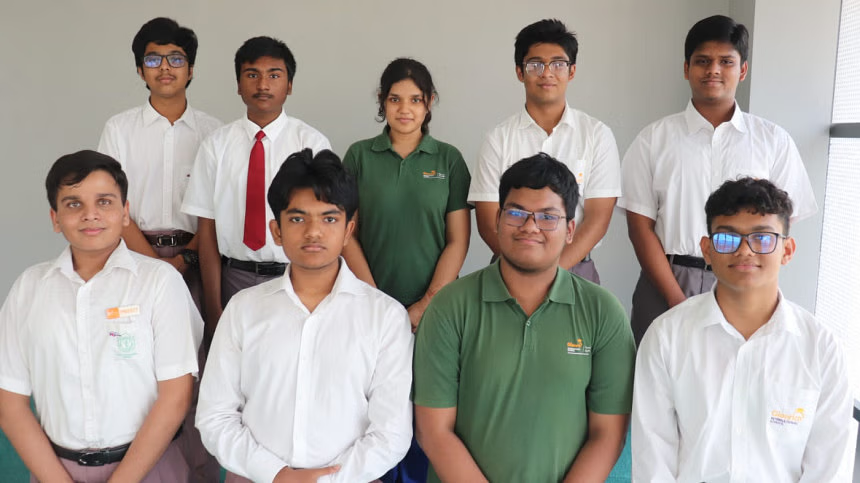
A team consisting of nine members from Glenrich International School, Uttara has secured first place in the internationally-acclaimed NSS Gerard K O’Neill Space Settlement Contest under the Large Group (Grade 9) category for their visionary project ‘Chirayatasroy’ (Eternal Shelter). Glenrich Uttara has brought home this laurel for the third consecutive year. In addition to this, another team has won the second prize in the Small Group (Grade 9) category for their project ‘Exserta’, while the third team from Glenrich has achieved ‘Honourable Mention’ in the Large Group (Grade 11) category for a project called ‘Atlas’. The NSS Gerard K O’Neill Space Settlement Contest, hosted by the National Space Society (USA), is an international competition designed to engage students in imagining and designing future space settlement concepts. This contest is organised to encourage creativity, scientific thinking, and interest in space exploration among the students. This year, over 26,000 students from 25 countries (including Romania, Ireland, Bangladesh, India, and the United States) participated in the contest, which received more than 4,900 entries. Members of the winning team for project ‘Chirayatasroy’ were Adwoito Bhaskar, Ahmad Abdullah, Aisha Afsara Yasmin, Seam Ahmed, Ibrahim Amin, Muhayr Manzoor, Ahnaf Tahmeed Aryan, Safwan Chowdhury, and Kazi Afsan Rawnak Anan. Dr Amlan K Saha, Principal of Glenrich International School, Uttara, opined, “This is such a proud moment for all of us at Glenrich. The winning team has worked relentlessly for days to give shape to this project. I commend the fact that the students delved deeper into an issue that could address existing crises like climate change. At Glenrich, we will keep nurturing the talents of our students.” Ahmad Abdullah, one of the members of the winning team, said, “We worked hard for around 55 days to submit this project. We are glad that our hard work has been rewarded. Through this visionary project, we want to create a sustainable alternative for humans in the face of increasing hazards.” The winning project, ‘Chirayatasroy’, is about the vision of humanity’s first self-sustaining space settlement, orbiting the dwarf planet Ceres. Designed to secure a bold future beyond Earth in order to avoid the impacts of climate change, resource depletion, and cosmic hazards, this settlement can host up to 100,000 residents. The proposal also features sustainable living powered by Mobius Strip-inspired solar panels. Published in: The Daily Star
গণিতে আয়্যানের কাতার জয়

গল্পটা আয়্যান জামানের। গ্লেনরিচ ইন্টারন্যাশনাল স্কুলের নবম শ্রেণির এই শিক্ষার্থী সম্প্রতি কাতারে অনুষ্ঠিত ওয়ার্ল্ড ম্যাথ টিম চ্যাম্পিয়নশিপ ২০২৪-এর আয়োজনে সম্মানজনক রৌপ্যপদক জয় করেছে। শুধু তাই নয়, প্রতিযোগিতায় অংশগ্রহণকারী বিশ্বের নানা প্রান্ত থেকে আসা ২৭টি দলের মধ্যে সেরা নির্বাচিত হয়েছে আয়্যানের দল ‘দ্য রয়্যাল সিক্স অব বেঙ্গল!’ছোটবেলা থেকেই সংখ্যা আর সূত্রের অসীম জগৎ নিয়ে পড়ে থাকতে ভালোবাসে আয়্যান। গণিতের প্রতি আয়্যানের এই নিখাদ ভালোবাসাকে সবসময়ই প্রশ্রয় দিয়েছেন তার মা-বাবা, শিক্ষক আর কাছের বন্ধুরা। এমনই একজন শুভাকাঙ্ক্ষীর কাছ থেকে গণিতের এই বিশ্ব-আসরটি সম্পর্কে প্রথম জানতে পারে আয়্যান। কৌতূহল জাগায় ইন্টারনেট ঘাঁটাঘাঁটি শুরু করে সে। জানতে পারে, বাংলার ম্যাথ নামক একটি সংগঠন দেশেই ‘বাংলার ম্যাথ টিম চ্যাম্পিয়নশিপ’ আয়োজন করে, যেখানে নিজ দক্ষতার পরিচয় দিয়ে আয়্যান জিতে নেয় দোহার টিকিট। জাতীয় দলের অংশ হয়ে ওয়ার্ল্ড ম্যাথ টিম চ্যাম্পিয়নশিপ ২০২৪-এ যোগদান আয়্যানের জন্য শুরু থেকেই এক অনন্য অভিজ্ঞতা ছিল। আয়্যান বলে, ‘দেশ-বিদেশের ৭শরও বেশি প্রতিযোগীর সঙ্গে মিশে, তাদের কথা শুনে, আমি বুঝতে পেরেছিলাম– আমাদের সংস্কৃতি ভিন্ন হতে পারে, কিন্তু গণিত আমাদের সবার এক ও অভিন্ন ভাষা। গণিতের প্রতি ভালোবাসাই আমাদের একসঙ্গে, একমঞ্চে নিয়ে এসেছে।’ ব্যক্তিগত দক্ষতার পাশাপাশি দলগত কাজের উদ্যম আর নেতৃত্বের গুণ আয়্যানের সাফল্যের সূত্র হয়ে দাঁড়ায়। ইন্ডিভিজুয়াল রাউন্ড, রিলে রাউন্ড ও টিম রাউন্ড মিলে মোট ৩টি তুমুল প্রতিদ্বন্দ্বিতাপূর্ণ ধাপ পার করে চূড়ান্ত বিজয়ের দ্বারপ্রান্তে পৌঁছায় আয়্যান ও তার দল। প্রথমবারের মতো কোনো আন্তর্জাতিক মঞ্চে অংশগ্রহণ করায় নিজের প্রত্যাশা সীমিতই রেখেছিল আয়্যান। তাই পুরস্কার বিতরণের মঞ্চে নিজের ও দলের নাম উচ্চারিত হতে শুনে বিস্ময়ে হতবাক হয়ে পড়ে সে। দ্বিতীয় সেরা বিজয়ী আয়্যানের গলায় বিচারকরা পরিয়ে দেন রুপার মেডেল। দ্য রয়্যাল সিক্স অব বেঙ্গলের হাতে ওঠে চ্যাম্পিয়নশিপের সেরা দলের পুরস্কার। চলতি বছরই প্রথমবারের মতো ওয়ার্ল্ড ম্যাথ টিম চ্যাম্পিয়নশিপে বাংলাদেশ থেকে কোনো দল অংশ নিয়েছে। তাই আয়্যানের বিশ্বাস, তাদের এই অর্জন আগামীতে বাংলাদেশের গণিতপ্রেমী তরুণদের আরও অনুপ্রাণিত করে তুলবে। আয়্যান বলে, ‘আশা করি, সামনে দেশের আরও অনেক শিক্ষার্থী এ ধরনের বিশ্বমঞ্চে নিজেদের প্রমাণ করতে এগিয়ে আসবে। এ আয়োজনগুলো আমাদের জন্য বিশ্বদরবারে বাংলাদেশের পতাকা আরও উঁচুতে তুলে ধরার সেরা সুযোগ।’
Understanding educational psychology: Harnessing AI for holistic learning

As we mark the International Day of Education 2025, it is clearer than ever that along with the traditional methods of teaching, integration of artificial intelligence (AI) in Bangladesh’s education system can bring about great improvements. AI has been growing rapidly, and it has the power to create a revolution in the education sector. The use of AI-driven education can play a pivotal role in bridging the gap where quality education is still inaccessible to people. Through the implementation of AI, access to quality educational resources can be ensured, irrespective of the students’ geographical location or socio-economic background. AI-driven platforms can assist rural educators by showing them new ways of teaching and best practices from around the world. If implemented in an innovative way, AI can empower the educators rather than replace them. Here the word “innovative’ means adopting technological amenities in relation to the needs of the learners. To do this successfully, educators need to understand educational psychology. Each student learns and develops differently. Educational psychology strives to understand behaviour, cognition and emotional needs to determine how education can be delivered in the best possible way. AI has powerful tools to advance educational psychology by determining students’ specific needs, assessing behavioural patterns, and designing suitable interventions to achieve development. For instance, students who have disabilities like dyslexia or ADHD can learn much better with the AI tools that cover their specific needs. AI-based adaptive learning systems have the power to redefine classroom learning to suit different sets of needs among learners by using different lesson plans, teaching styles, and even modes of assessment. Virtual tutors can also aid teachers, particularly in understaffed regions. Since AI can analyse data in real-time, it is possible to monitor engagement learning outcomes and detect patterns in students’ behaviour. Moreover, by tailoring training modules to teachers’ current skills and knowledge, these platforms help educators improve their teaching methods and stay updated with educational developments. These personalised academic resources can ensure that no learner is left behind. AI applications such as interactive games and quizzes encourage inclusion as they are more supportive of students with disabilities. However, when we look at the other side of the coin, we have to realise that AI is bound to raise issues related to over-dependence, privacy and mental well-being. Over-dependence can result in a lack of creativity and critical thinking skills, both of which are an essential part of being a human. Additionally, unnecessary use of the computer can have negative implications for the mental and physical health of students. It also makes them stray away from forming human connections. In my position as an educator, I subscribe to the idea of AI’s balanced application. AI should be embraced in schools as an enhancement tool rather than a replacement for human interaction. Teachers should continue to be at the core, building rapport with students. To utilise AI in a way where students can benefit from it, schools need to take some measures to ensure student well-being is still their priority. To do so, institutions need to establish clear policies on the ethical use of AI, prioritise data privacy and limit screen time. At an educational level, particular sets of skills where AI usage is effective should also be fostered, always with the human-centred approach. Schools need to combine AI with other activities aimed towards fostering creativity, critical thinking, and social skill building. By making sure these tools are available to everyone no matter what part of the country they belong to, we can make sure it doesn’t broaden the educational gap and learning losses. On this International Day of Education, let’s pledge together to utilise AI in a responsible, inclusive way, which has the potential to change the way students learn in the classroom. The author is the Principal of Glenrich International School, Uttara