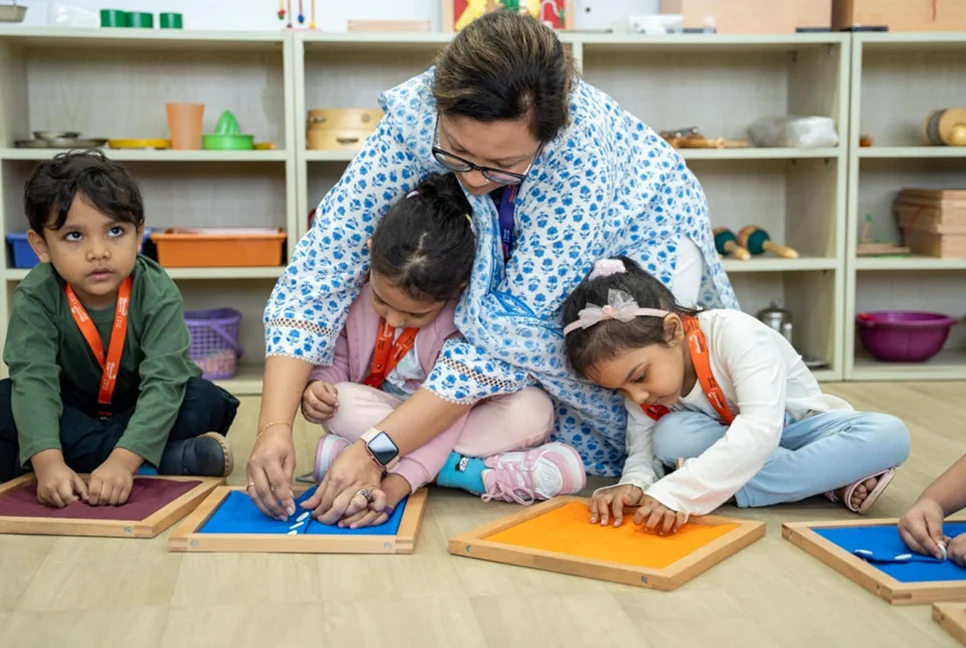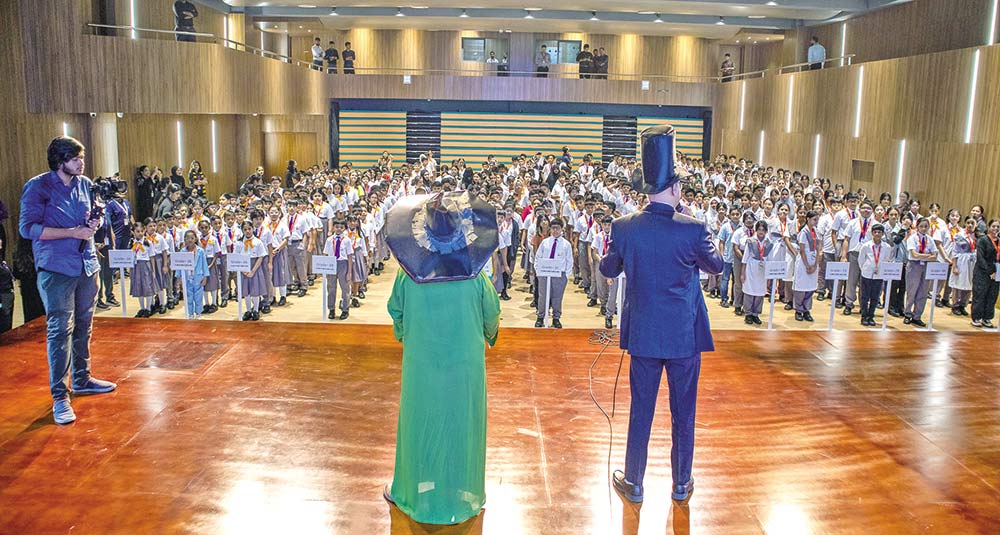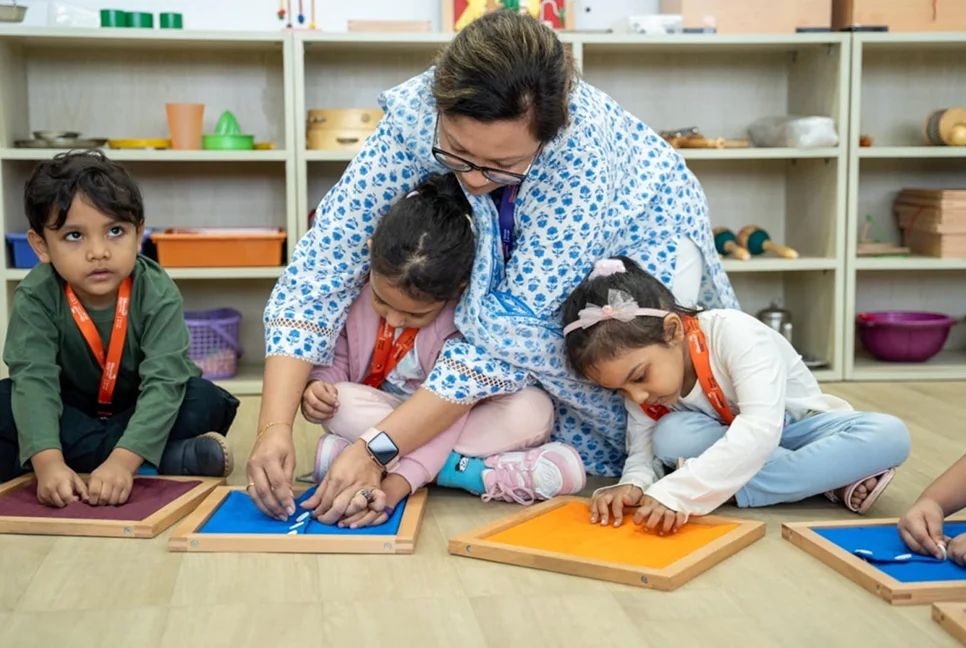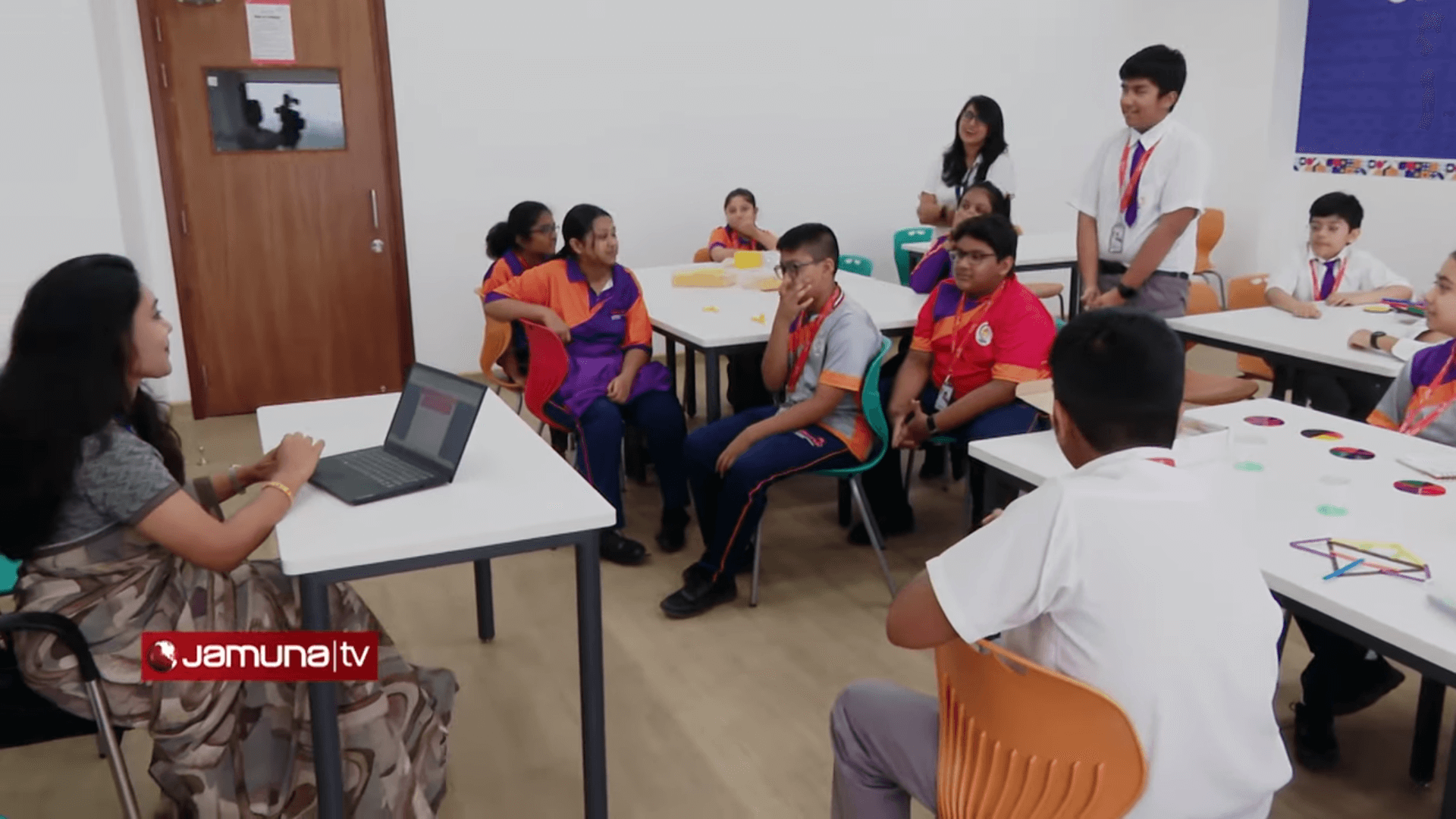
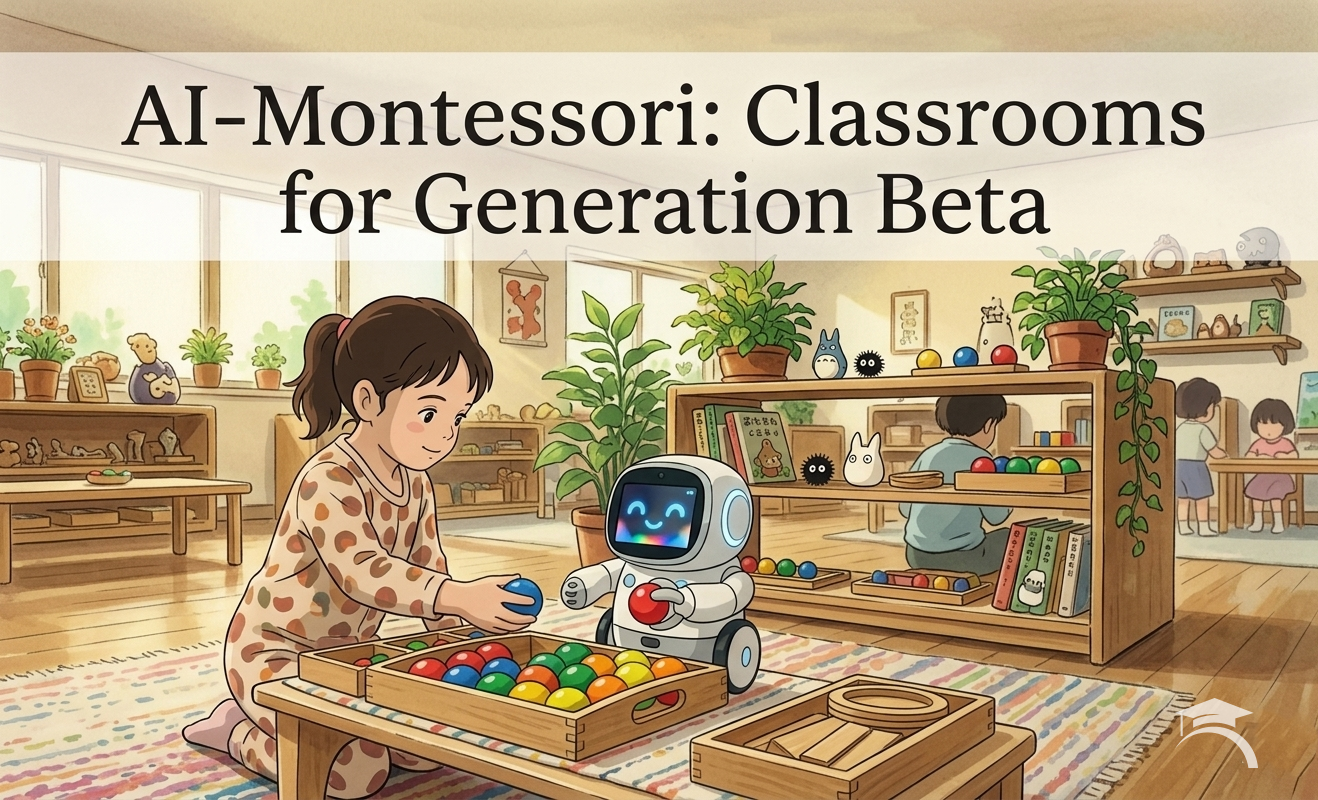
Maria Montessori (born 1870) and her educational methodology remain highly pertinent even after 150 years. We recently completed a two-day workshop on Montessori Education at Glenrich International School, Uttara, for our educators, aimed at enhancing learning effectiveness for our young students. A compelling exercise in the current landscape is to envision the future of AI-integrated Montessori classrooms.
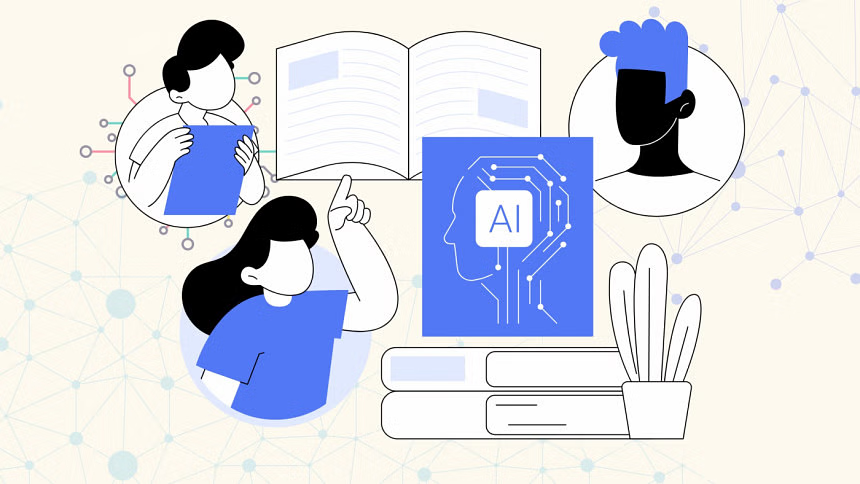
Montessori classrooms operate on the fundamental principle that children achieve optimal learning outcomes when allowed to explore at their individual pace. Artificial intelligence (AI) is a powerful enabler of personalized learning, making it a natural complement to the Montessori approach. AI-driven learning tools, akin to a Montessori facilitator, can monitor a child’s progress and subsequently adapt challenges to align with their unique learning rhythm. AI-powered tutoring systems, such as Carnegie Learning, deliver personalized feedback and support. Furthermore, adaptive AI tools like Duolingo are capable of tailoring learning experiences to individual needs.
Consider an AI-powered reading assistant that meticulously analyzes a child’s pronunciation and provides gentle, teacher-like corrections, or a mathematics program that automatically adjusts complexity based on a student’s demonstrated mastery of foundational concepts, akin to a Montessori approach. AI-driven platforms are capable of assessing student skill levels in real-time and customizing instructional content to address individual requirements. Storytelling is a crucial pedagogical tool; however, imagine children co-authoring narratives with an AI partner, thereby constructing their own imaginative worlds and characters. This process inherently fosters creativity, a cornerstone of Montessori education. Furthermore, this integration of AI will accelerate early digital literacy in our digital-first society. AI also significantly enhances educational games by developing engaging and adaptive learning experiences, a fundamental principle within the Montessori philosophy.
Through direct engagement with artificial intelligence, students can acquire a practical understanding of algorithmic functions and data processing, which aligns with the future integration of AI into Montessori education. At Glenrich, we are actively pursuing this innovative approach and are poised to become the first institution in Bangladesh to implement Screen-Free Coding within Montessori Pre-Primary classrooms. While the foundational principles of Maria Montessori will endure, they can be effectively combined with contemporary AI tools to enhance the learning experience for Generation Beta.
Author: Dr. Amlan K. Saha